How to Become an Academic Librarian in Ohio
Unlike public and school librarians, academic librarians in Ohio operate outside any state licensure or certification framework. No board exam, no state-issued credential, and no mandated continuing education hours stand between you and a position at a college or university library. Instead, hiring standards are set institution by institution, which makes this the most flexible path into librarianship but also, in many ways, the most competitive.
The MLIS as the Baseline Credential
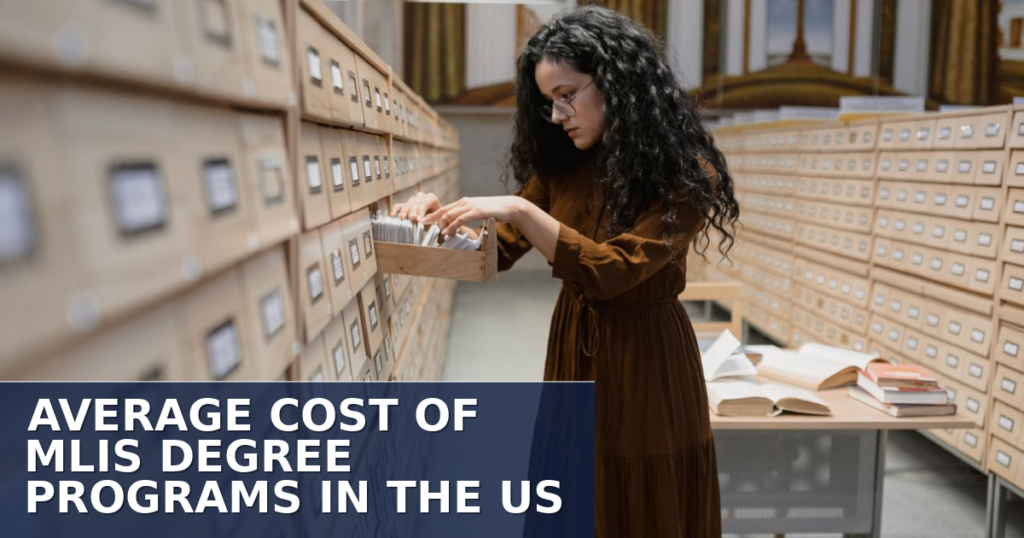
Although Ohio does not regulate academic librarian qualifications, an ALA-accredited Master of Library and Information Science (or equivalent) is the near-universal minimum for professional-level positions. Hiring committees at community colleges, four-year universities, and research institutions almost always list an ALA-accredited master's degree as either required or strongly preferred. Without one, applicants are typically limited to paraprofessional or support roles.
Because no state body dictates the specific degree title, you may see job postings accept an MLS, MLIS, or MSLIS, as long as the program holds ALA accreditation. Ohio is home to accredited programs at Kent State University and the University of Akron (offered through a consortium partnership), but degrees earned from accredited programs in other states carry equal weight. Neighboring states follow similar patterns: for example, Indiana public librarian certification also relies heavily on ALA-accredited credentials.
The Second Master's Degree Advantage
Many Ohio academic librarian postings, particularly at research-intensive institutions like Ohio State University, Case Western Reserve University, and the University of Cincinnati, prefer or require a second master's degree in a subject discipline. Positions in specialized areas such as law, health sciences, engineering, or the humanities frequently call for deep subject expertise that a standalone MLIS does not provide. Candidates who hold both an MLIS and a subject master's degree stand out in applicant pools, especially for liaison or subject specialist roles.
Even at smaller colleges where a second master's is not formally required, demonstrable expertise in an academic discipline can strengthen your candidacy considerably.
Faculty Status and Hiring Models
Academic librarian hiring in Ohio does not follow a single template. Some institutions classify librarians as faculty with tenure-track or continuing-appointment expectations. At these schools, you may be evaluated on research output, publishing, committee service, and professional engagement alongside your day-to-day library work. Other Ohio colleges and universities hire librarians under professional or administrative staff classifications, where performance reviews focus on operational contributions rather than scholarly productivity.
This variation matters because it shapes your career trajectory. A tenure-track position at a research university carries expectations around peer-reviewed publishing and conference presentations. A professional-staff role at a community college may prioritize teaching information literacy, collection development, and student engagement. Understanding an institution's classification model before you apply helps you tailor your preparation.
Why Competitiveness Is Higher on This Track
The absence of a state certification requirement means there is no gatekeeping mechanism to limit the applicant pool. Candidates from across the country can apply, and many do, especially at well-known Ohio universities. Strong applicants typically bring a combination of an ALA-accredited MLIS, relevant subject expertise, technology skills (such as experience with institutional repositories, digital humanities tools, or data management), and a record of professional involvement through organizations like the Association of College and Research Libraries. Internships, graduate assistantships, or practicum placements in academic libraries during your MLIS program can provide a meaningful edge when entering this competitive job market.