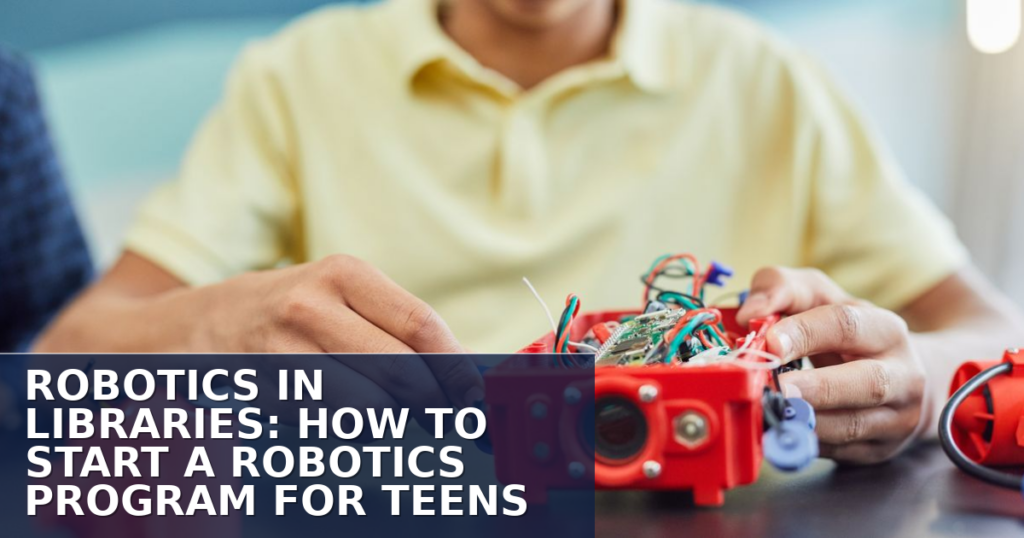
Integrating STEM Programming Into MLIS Coursework and Practicums
The central tradeoff for MLIS students interested in STEM programming is whether to pursue a generalist degree with broad applicability or to specialize early through electives, certificates, and targeted practicums that may narrow your options but deepen your expertise. Both paths can lead to rewarding careers, but understanding how to identify and access STEM-focused educational opportunities will help you make a decision that aligns with your professional goals.
Finding STEM-Related Coursework in Accredited Programs
Start your search by visiting the American Library Association's website, which maintains a comprehensive list of ALA accredited MLIS programs. You can filter by specializations such as youth services, school librarianship, or digital curation, then browse each program's electives or certificate options for STEM-related offerings. Many programs now include coursework in areas like makerspace management, digital literacy instruction, or technology-enhanced programming for youth, though course titles and availability vary considerably.
Explore university program pages directly by searching for terms like "makerspace management," "STEM librarianship," "youth STEM services," or "practicum in libraries." Some programs offer dedicated certificates or concentration tracks that combine coursework in youth development, technology integration, and hands-on programming skills. Others may not have formal STEM tracks but allow students to assemble relevant electives into a coherent focus area.
Aligning Your Education With Career Market Demands
Before committing to specific courses or programs, check the Bureau of Labor Statistics at BLS.gov for the librarian occupational outlook and the skills employers are seeking. Then review job postings on library association job boards, such as ALA JobLIST, to identify the qualifications and competencies that appear most frequently in positions involving STEM programming, online MLIS youth services, or makerspace coordination. This research helps you tailor your coursework selections to match real hiring needs rather than assumptions about what employers want.
Pay attention to whether job postings mention specific technical skills, grant writing experience, or community partnership development. These details can guide which electives or practicum placements will best prepare you for competitive positions.
Leveraging Professional Associations for Guidance
Professional associations offer valuable resources for students seeking STEM-focused library education. Contact organizations such as the American Association of School Librarians, the Association for Library Service to Children, or the Young Adult Library Services Association for guidance. These groups often maintain lists of recommended programs, continuing education opportunities, and professional development workshops focused on STEM programming competencies.
Association memberships frequently include access to webinars, conference sessions, and mentorship programs where you can connect with practicing librarians who have built successful STEM programs. These connections can also help you identify practicum sites with strong STEM programming and supervisors who can provide meaningful hands-on training.